What Wire To Use For Jewelry Making. Common jewelry uses of wire by gauge (awg): Round wire tends to be the most versatile.
Choose the size of wire you want to use for your project. You’ll mostly want round wire. These are good options when you are still learning to work with wire.
These Are Good Options When You Are Still Learning To Work With Wire.
You’ll mostly want round wire. Using plated wires allow you to have the same look as sterling silver and gold, but for a lesser cost. Let’s start out with one of the most common metals used in jewelry wire—copper.
In Jewelry Making, One Of The Most Common Types Of Wire You’ll Hear About Is Flexible Stringing Wire Or Beading Wire.
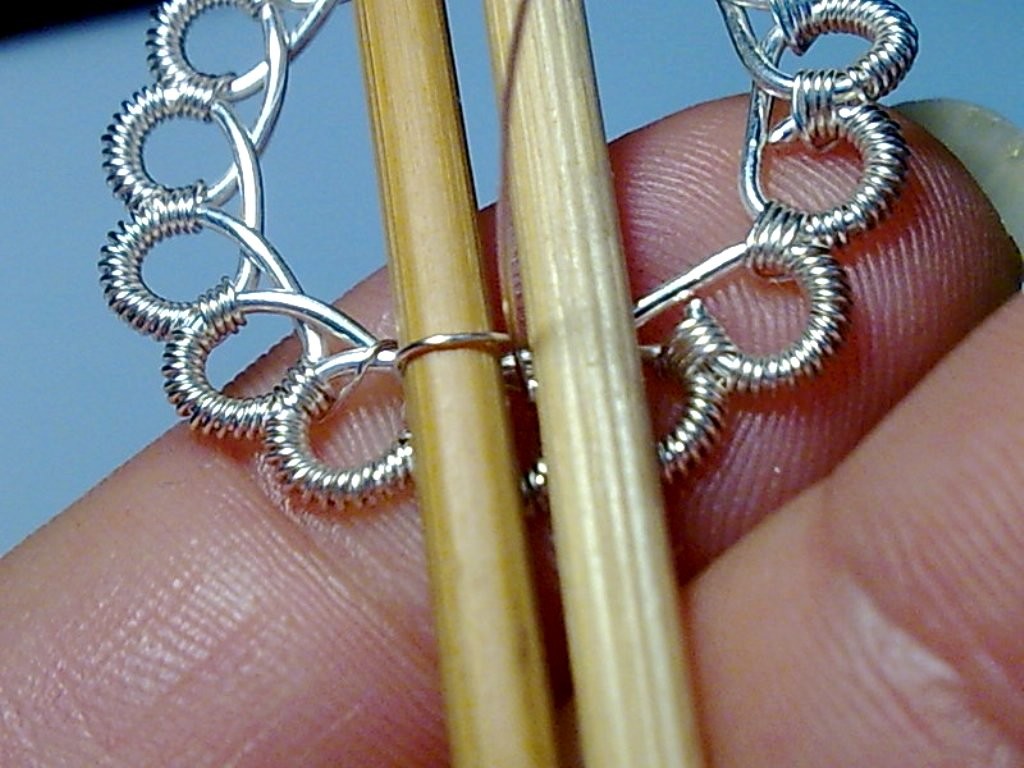
It can be used for intricate wire work like wire weaving, bead crochet, viking knit, and fine coils. • coiling • weaving • binding • spirals Appropriate thickness in the square sectioning of the roller.
For The Purposes Of These Copper Jewelry Making Ideas, You’ll Want Round Wire.
Briolettes, cabochons and gemstones are ideal for wire wrapping, but with some planning and creativity, you can wire wrap almost anything. The premier place for all your jewelry making needs. Although this isn’t the main focus of this article, it’s important to understand the distinction between this and the harder wrapping wires.
Round Wire Is The Most Commonly Used Wire.
Wire gauge, head pins, eye pins, jump rings, perfect wire twist. Shop 26 gauge jewelry wire. Choose the size of wire you want to use for your project.
Copper Wire Comes In A Variety Of Ways, Meaning You Can Choose The Specific Gauge Or Hardness That Best Suits Your Project.
First i hammered heavy wire into ear wires. Riveting allows the artist to join metal sheets or blanks without the use of heat or soldering. 32 gauge wire for jewelry making is extremely fine (thin).
